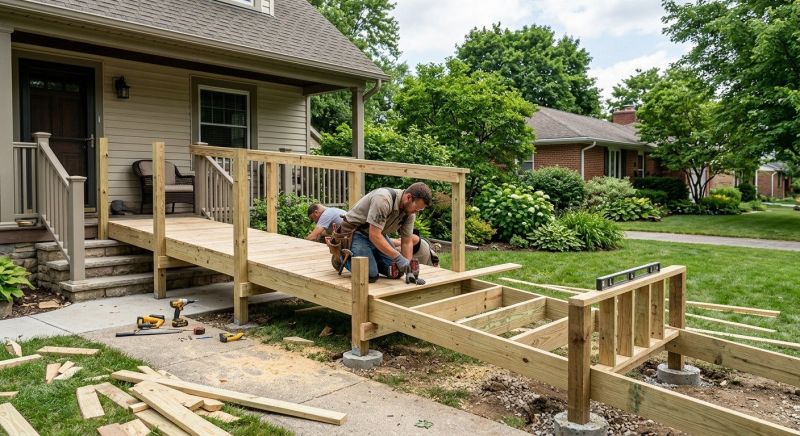
Handicap Ramp Replacement in Wilmington, NC
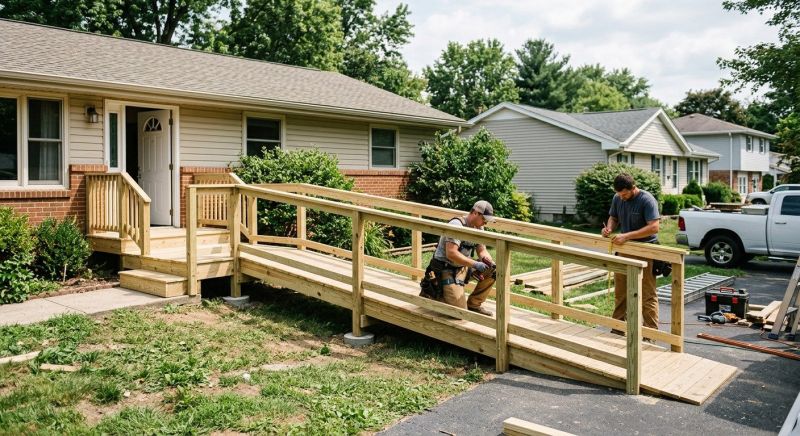
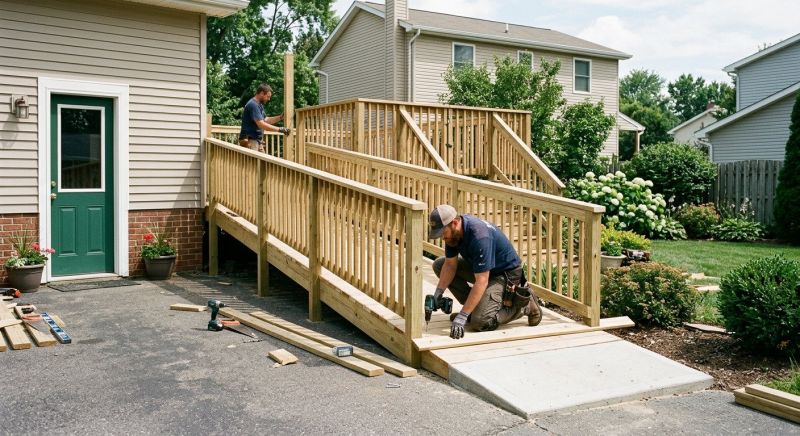
Handicap ramp replacement services involve removing outdated, damaged, or non-compliant ramps and installing new accessibility solutions to improve safety and mobility around a property. These projects typically cover a variety of ramp types, including wooden, aluminum, or concrete structures, designed to accommodate wheelchairs, walkers, or other mobility aids. Property owners often seek this service when existing ramps are worn out, no longer meet current accessibility standards, or do not fit the specific needs of the user, ensuring safe and convenient access to entrances, porches, or decks.
Before requesting handicap ramp replacement, property owners usually want to understand the scope of work involved, including the materials used, the estimated duration of the project, and any necessary permits or code compliance requirements. It’s also common to consider the overall design to match the property’s aesthetic and ensure the new ramp provides a smooth, stable surface for safe passage. Clear communication about the existing structure and the specific accessibility needs can help facilitate a successful replacement process.
Many property owners in Wilmington, NC look into Handicap Ramp Replacement for repairs, replacements, upgrades, and appearance-related improvements.
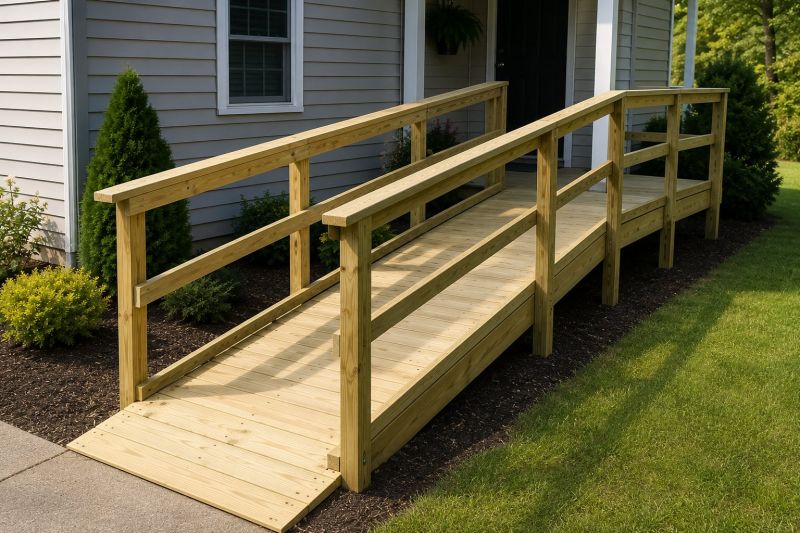
Accessible Entry Solutions
Replacing worn or damaged ramps to ensure safe and easy access for all visitors.
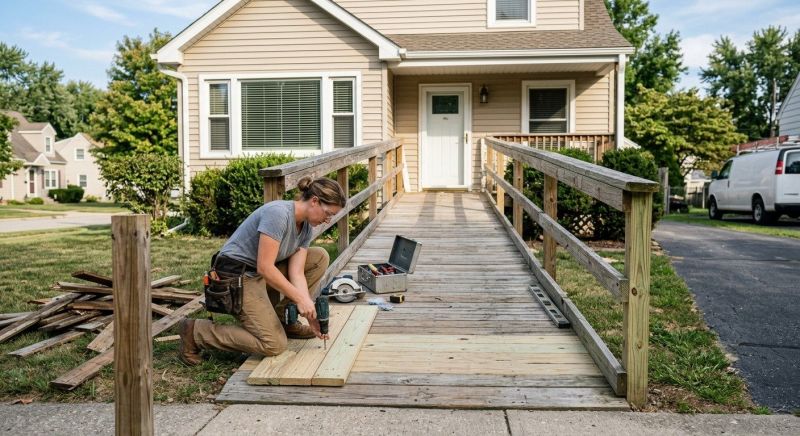
Custom Ramp Designs
Creating tailored ramp replacements that fit the specific layout and needs of wilmington homes.
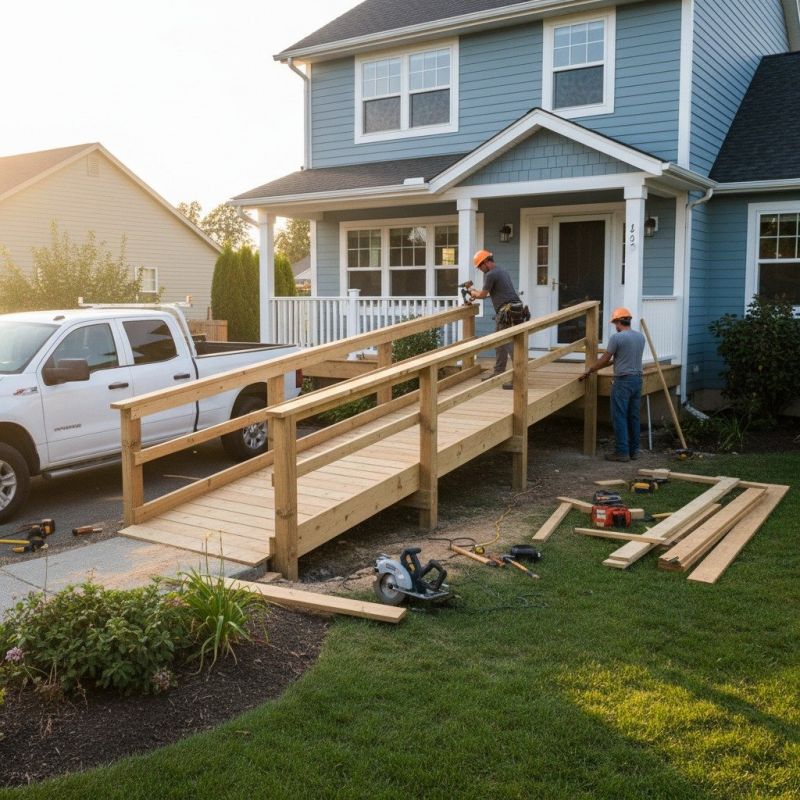
Durable And Safe Materials
Using high-quality materials to provide long-lasting and secure handicap ramp replacements.
Handicap Ramp Replacement in Wilmington, NC
Handicap ramp replacement services involve removing outdated, damaged, or non-compliant ramps and installing new accessibility solutions to improve safety and mobility around a property. These projects typically cover a variety of ramp types, including wooden, aluminum, or concrete structures, designed to accommodate wheelchairs, walkers, or other mobility aids. Property owners often seek this service when existing ramps are worn out, no longer meet current accessibility standards, or do not fit the specific needs of the user, ensuring safe and convenient access to entrances, porches, or decks.
Before requesting handicap ramp replacement, property owners usually want to understand the scope of work involved, including the materials used, the estimated duration of the project, and any necessary permits or code compliance requirements. It’s also common to consider the overall design to match the property’s aesthetic and ensure the new ramp provides a smooth, stable surface for safe passage. Clear communication about the existing structure and the specific accessibility needs can help facilitate a successful replacement process.
Many property owners in Wilmington, NC look into Handicap Ramp Replacement for repairs, replacements, upgrades, and appearance-related improvements.
Common Handicap Ramp Replacement Jobs
Handicap Ramp Replacement - upgrading existing ramps to meet current safety and accessibility standards.
Commercial Ramp Replacement - installing durable ramps for businesses to ensure ADA compliance.
Residential Ramp Replacement - replacing aging or damaged ramps to improve home accessibility.
Custom Ramp Replacement - designing and installing ramps tailored to specific property needs.
Portable Ramp Replacement - upgrading temporary ramps for better stability and safety.
Outdoor Ramp Replacement - updating exterior ramps to withstand weather and heavy use.
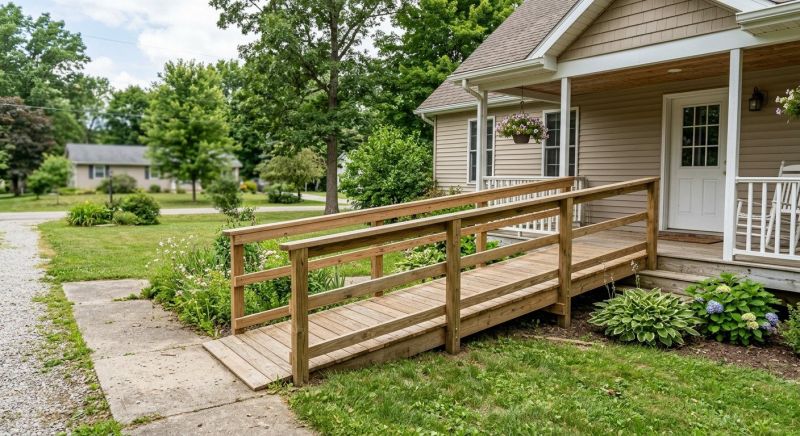
Handicap Ramp Replacement Questions
What types of handicap ramps are available for replacement? Various options include modular aluminum ramps, wooden structures, and prefabricated systems to suit different property needs.
What should property owners consider before replacing a handicap ramp? It’s important to evaluate the current ramp’s condition, accessibility requirements, and the space available for installation.
Can existing ramps be modified instead of replaced? Modifications are possible in some cases, but replacement may be necessary if the ramp is severely damaged or no longer meets accessibility standards.
What are common reasons for replacing a handicap ramp? Reasons include wear and tear, safety concerns, changes in accessibility needs, or updates to comply with current guidelines.
Request Handicap Ramp Replacement in Wilmington, NC
Use the quote form on this page to share the basics of your project and request more information for the type of work you need.