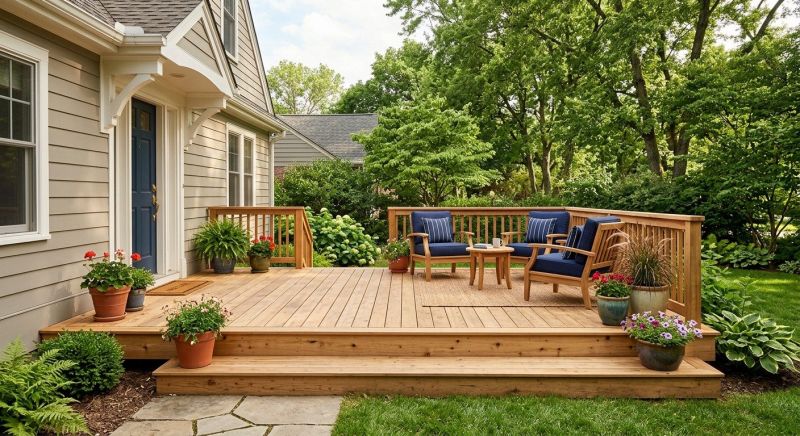
Wooden Veranda Construction in Boston, MA
Wooden veranda construction involves creating outdoor covered structures that extend from a home's exterior, providing a shaded area for relaxation, entertaining, or enjoying the surrounding views. These projects typically include designing and building verandas with durable wooden materials, tailored to complement the style of the property. Homeowners often request this service to enhance curb appeal, increase outdoor living space, or add a charming architectural feature to their property.
Before requesting wooden veranda construction, property owners usually want to understand factors such as available space, design options, and the type of wood best suited for their climate. It’s also helpful to consider how the veranda will connect to existing structures, any local building codes, and maintenance requirements for wooden materials. Clarifying these details can ensure the project aligns with aesthetic preferences and functional needs.
Many property owners in Boston, MA look into Wooden Veranda Construction for repairs, replacements, upgrades, and appearance-related improvements.
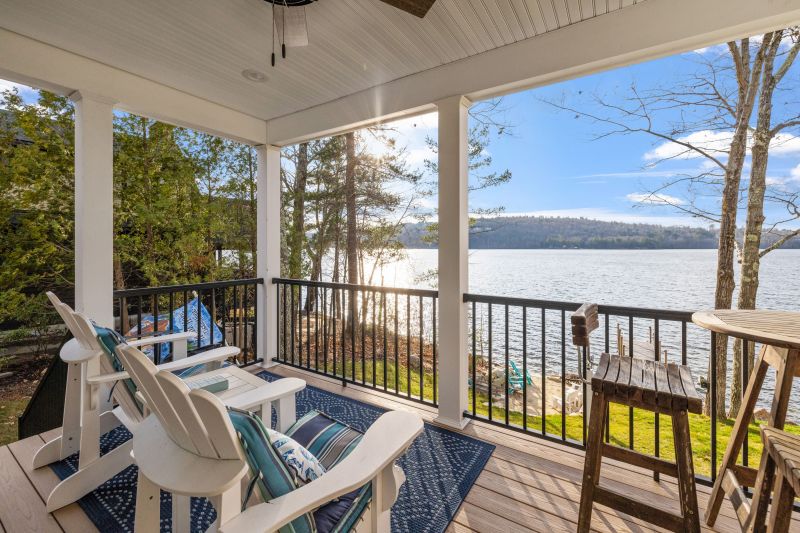
Wooden Veranda Construction Services
Examples of wooden veranda construction work property owners may explore in boston, ma.
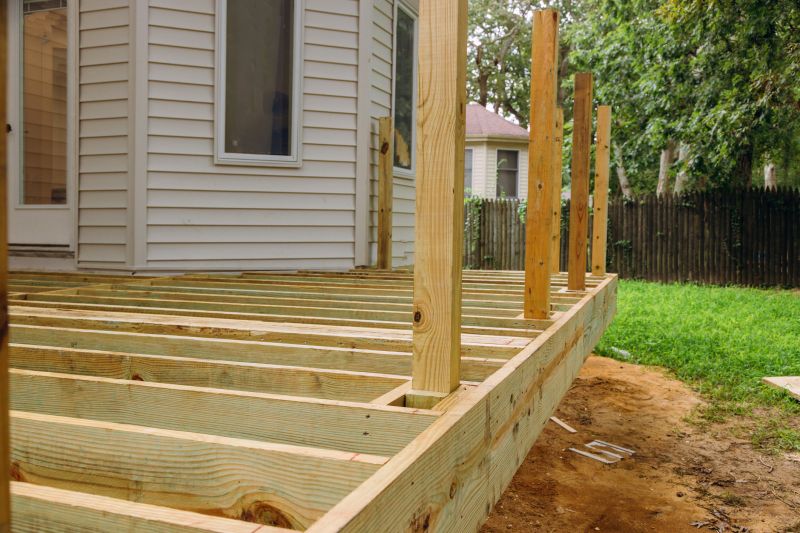
Wooden Veranda Construction Updates
Common ways people refresh, improve, or restore wooden veranda construction features in boston, ma.
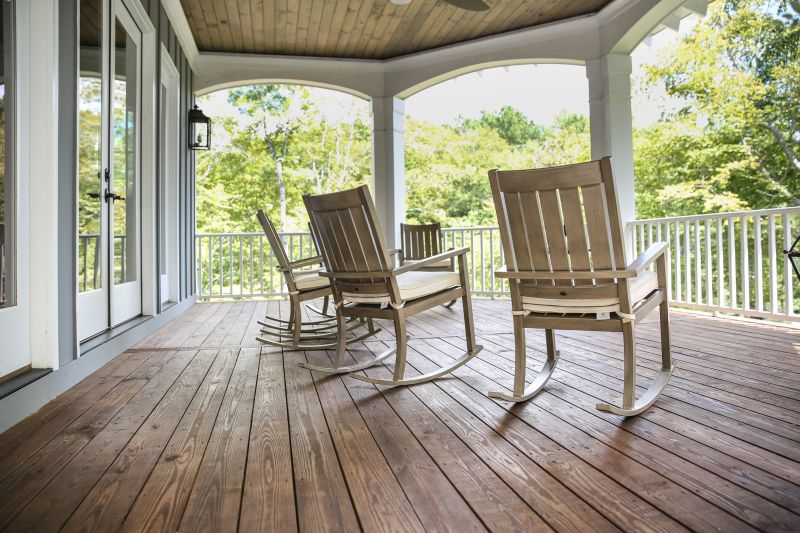
Wooden Veranda Construction Options
Different styles, layouts, and finishes people consider for wooden veranda construction in boston, ma.
Wooden Veranda Construction in Boston, MA

Wooden veranda construction involves creating outdoor covered structures that extend from a home's exterior, providing a shaded area for relaxation, entertaining, or enjoying the surrounding views. These projects typically include designing and building verandas with durable wooden materials, tailored to complement the style of the property. Homeowners often request this service to enhance curb appeal, increase outdoor living space, or add a charming architectural feature to their property.
Before requesting wooden veranda construction, property owners usually want to understand factors such as available space, design options, and the type of wood best suited for their climate. It’s also helpful to consider how the veranda will connect to existing structures, any local building codes, and maintenance requirements for wooden materials. Clarifying these details can ensure the project aligns with aesthetic preferences and functional needs.
Many property owners in Boston, MA look into Wooden Veranda Construction for repairs, replacements, upgrades, and appearance-related improvements.
Common Wooden Veranda Construction Jobs
Wooden veranda construction - custom-built verandas enhance outdoor living spaces and curb appeal.
Porch extensions - expand existing decks or porches to create more outdoor entertaining areas.
Covered verandas - add shaded structures for comfort and protection from weather elements.
Decorative woodwork - incorporate railings, balustrades, and trim details to match home styles.
Design consultation - assistance with layout, style, and material choices for new veranda projects.
Maintenance and repairs - restore and reinforce wooden verandas to ensure longevity and safety.
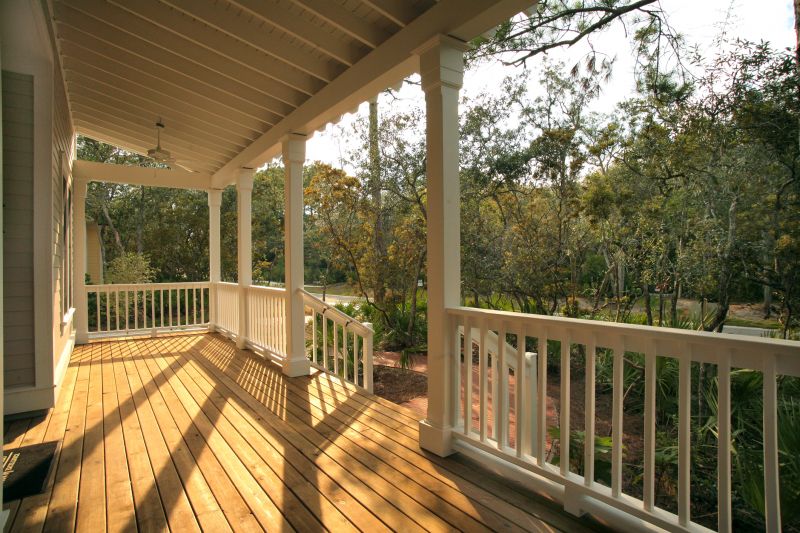
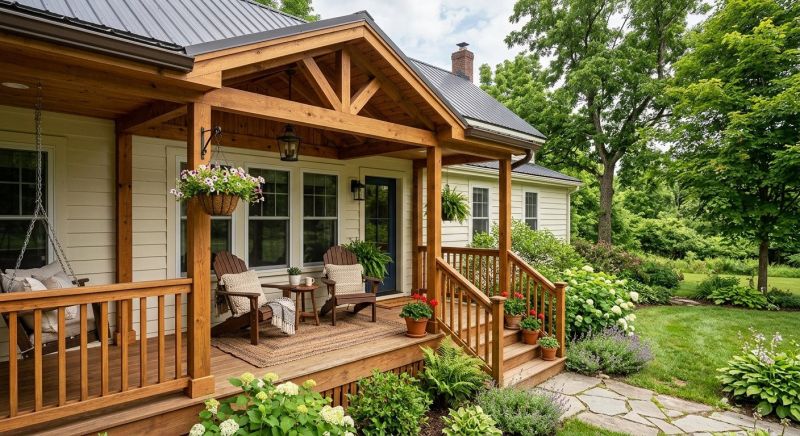
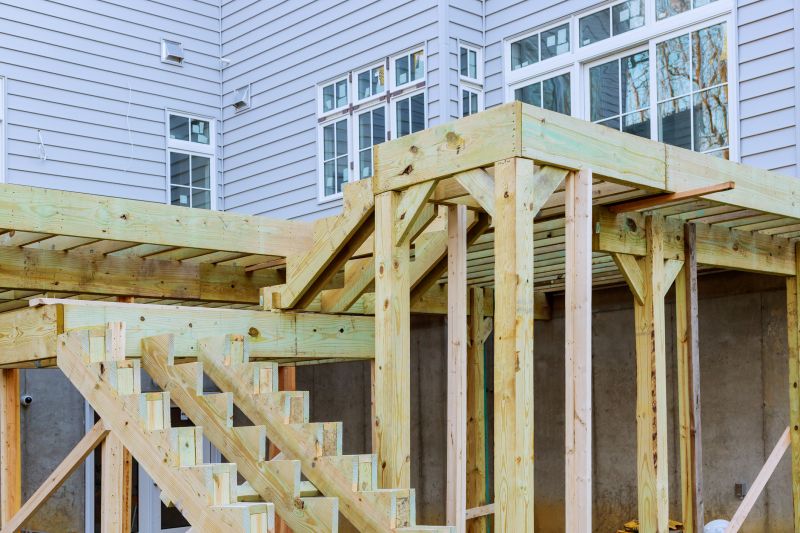
Wooden Veranda Construction Questions
What types of wood are suitable for a veranda? Common options include cedar, redwood, and pressure-treated pine, each offering durability and a natural appearance suitable for outdoor use.
How long does a wooden veranda typically last? With proper maintenance, a well-constructed wooden veranda can last 15 to 20 years or more.
Can a veranda be customized to match existing home styles? Yes, designs can be tailored to complement various architectural styles and personal preferences.
What are common design features available for wooden verandas? Features often include railings, decorative posts, built-in seating, and custom stairs to enhance functionality and aesthetics.
Request Wooden Veranda Construction in Boston, MA
Use the quote form on this page to share the basics of your project and request more information for the type of work you need.